I’m Going to Stop Using the Word “Diet”

I’m Going to Stop Using the Word “Diet”

I’m going to stop using the word “diet”.

Why? Because our society has primarily coupled the word diet with the sole purpose of weight loss.

Let’s look at the Oxford online definition of the word diet:

1. the kinds of food that a person, animal, or community habitually eats.

“a vegetarian diet”

2. a special course of food to which one restricts oneself, either to lose weight or for medical reasons.

“I’m going on a diet”

3. restrict oneself to small amounts or special kinds of food in order to lose weight.

“it’s difficult to diet”

While the top definition is the actual connotation meant when I refer to a plant-based diet, much of our society perceives diets as restrictive.

Look at the second and third definitions. The examples they use even suggest that dieting is restrictive or hard.

Instead, I’m shifting to the word lifestyle.

Lifestyle defined by Oxford:

The way in which a person or group lives.

“the benefits of a healthy lifestyle”

How do I use it in a sentence? I live a healthy plant-based lifestyle.

A plant-based lifestyle is about a healthy way of living that is NOT restrictive but actually grants us our best possible health with more variety than ever.

Now, I don’t swear that I’m going to completely stop using the word diet because I could slip up.

But the word has bothered me for years. I grew up in the 70’s and 80’s and dieting was (and still is) a toxic topic because it was associated with the ideal of being thin.

My mom, who will likely read this post, tried almost every diet trend there was. Most worked in the moment but as soon as she stopped whatever restrictive diet she was on, well, you can guess what happened.

Fun Fact: Do you remember The Scarsdale Diet? It was originally published in 1978. Well, my mom was a nurse and worked for the doctor who wrote the book. (She even got a thank you in the acknowledgments!) You can be sure that there was a lot of grapefruit and melba toast eating going on in my house back then. 

While I LOVE grapefruit and do eat them when in season, that is no way to exist.

Thus, we will delve deeper in future posts as to what a healthy plant-based lifestyle means. and how by adopting a healthy plant-based lifestyle, you can enjoy its benefits.

For now, I just want to move away from the restrictiveness of the word diet. Eating plant-based is actually rather freeing. There are so many options, especially these days. From foods you can find in your supermarket, to the gazillion recipes available online from wonderful bloggers and chefs. Would you join me in switching to a plant-based lifestyle?
 

What is Vegan Toastmasters?

What is Vegan Toastmasters?

Years ago (decades actually), I heard of Toastmasters and all I knew was that it is a forum to practice public speaking. I was curious and decided to check out a meeting. The meeting took place in an office building nearby, and it was just a general Toastmasters meeting (no theme to it). 

The basic format of a Toastmasters meeting is as follows: 

There are some formalities as the meeting begins including an introduction of functionaries which are performed by members. These functionaries include:

? A timer: each segment has guidelines for how long the speaking lasts. The timer tracks this. The biggest reason to stay within the timing guidelines is if you ever participate in a speaking competition, you must stay within the timed parameters. Thus, these same parameters are practiced during the regular meetings.

? An “ah” counter: This person listens for filler words like um, ah, like, you know, etc.

? A grammarian. This person offers a “word of the day” which people get to try and work into their speaking. The grammarian also listens for egregious grammatical errors but also for interesting or clever word or phrase usage.

The rest of the meeting is broken up into three parts:

First — there’s a section called Table Topics during which a member (the Table Topics Master) suggests a few topics and then members and guests have an opportunity to speak extemporaneously for 1-2 minutes on the subject.

Second — there are prepared speeches which are generally delivered by members and last around 5 minutes.

Third — there are formal evaluations of the speeches. Following the speech evaluations, the functionaries give their reports.

This, of course, is a very rough overview of a Toastmasters meeting, and each club runs a little differently.

Anyway, I think I joined and gave a speech back then, but wasn’t inspired to stick around. 

Fast forward to sometime around 2014 when I was vegetarian. I was poking around online — maybe looking for a Toastmasters meeting. I can’t remember. But I noticed that there was a Vegan Toastmasters meeting near me. Even though I was not yet vegan, I was curious and attended as a guest.

The topics and speeches, as you may have guessed, are generally (though not solely) vegan or plant-based themed, or a combination of both.

I really enjoyed Vegan Toastmasters, joined, and (oopsie) once again, didn’t last too long in the club because the meeting times conflicted with my kids’ activities.

Once my kids were no longer playing soccer on the weekends and needing me to drive them everywhere, I found the club and joined (again) in 2019. Lest I forget, our meetings also included a small potluck with shared vegan snacks during the break. Yum… Snacks.

By 2019 I was already vegan and even more passionate about spreading the word. 

The Vegan Toastmasters club is a wonderful compassionate group of people who wish to speak more cogently and vociferously for the animals. (Thanks, Vegan Jyoti for that.).

Of course, the pandemic hit in 2020 and we quickly shifted our meeting from in-person in Los Angeles to Zoom.

The bad news: No more potluck snacks.

The good news: We are able to reach people all around the world.

And, when you’ve been hanging out with people twice a month for a couple of hours, they really do become friends- even if you’ve never met in person. 

If you would like to attend one of our meetings, please join us. There’s no pressure to speak (other than introducing yourself at the beginning of the meeting) or join. You may simply observe. Guests are welcome to attend as many times as you’d like at no charge. And membership costs are reasonable.

We have a wide range of people who join as guests and potentially become members. Some are curious about going plant-based, others are moving toward a vegan lifestyle, and some are already completely plant-based or vegan and looking to spend more time with people who speak about these subjects.

You can learn more by visiting our little website (or look for Vegan Toastmasters on Meetup or Facebook). Or if you want to learn about Toastmasters in general, you can visit their website here.

Vegan Toastmasters meets the 1st and 3rd Sunday of each month at 3 pm PT/ 6 pm ET for 1 hour and 45 minutes. (And yes, we still do have a short break, though it’s no longer a potluck.)

Please join us. We’d love to meet you there! 

p.s- a big shoutout to Toastmaster Dave for forming this club a gazillion years ago and keeping it running for this whole time. We are all grateful. 


Traveling while Vegan

Traveling while Vegan

I live in Los Angeles which you may have heard me refer to as a vegan food Mecca. The city has plenty of issues, but a lack of good food isn’t one of them. There are tons of amazing fresh food grocery stores, never ending farmer’s markets (one of my favorite pastimes) and an ever-growing list of great vegan restaurants and restaurants that offer vegan options.

So it is with trepidation that I ever leave my plant-based bubble.

But I had plans to travel to the Midwest for 12 days to see friends and family. How was I going to manage? Join me as we venture through the American Midwest. 

Eating Plant-Based in Chicago: 

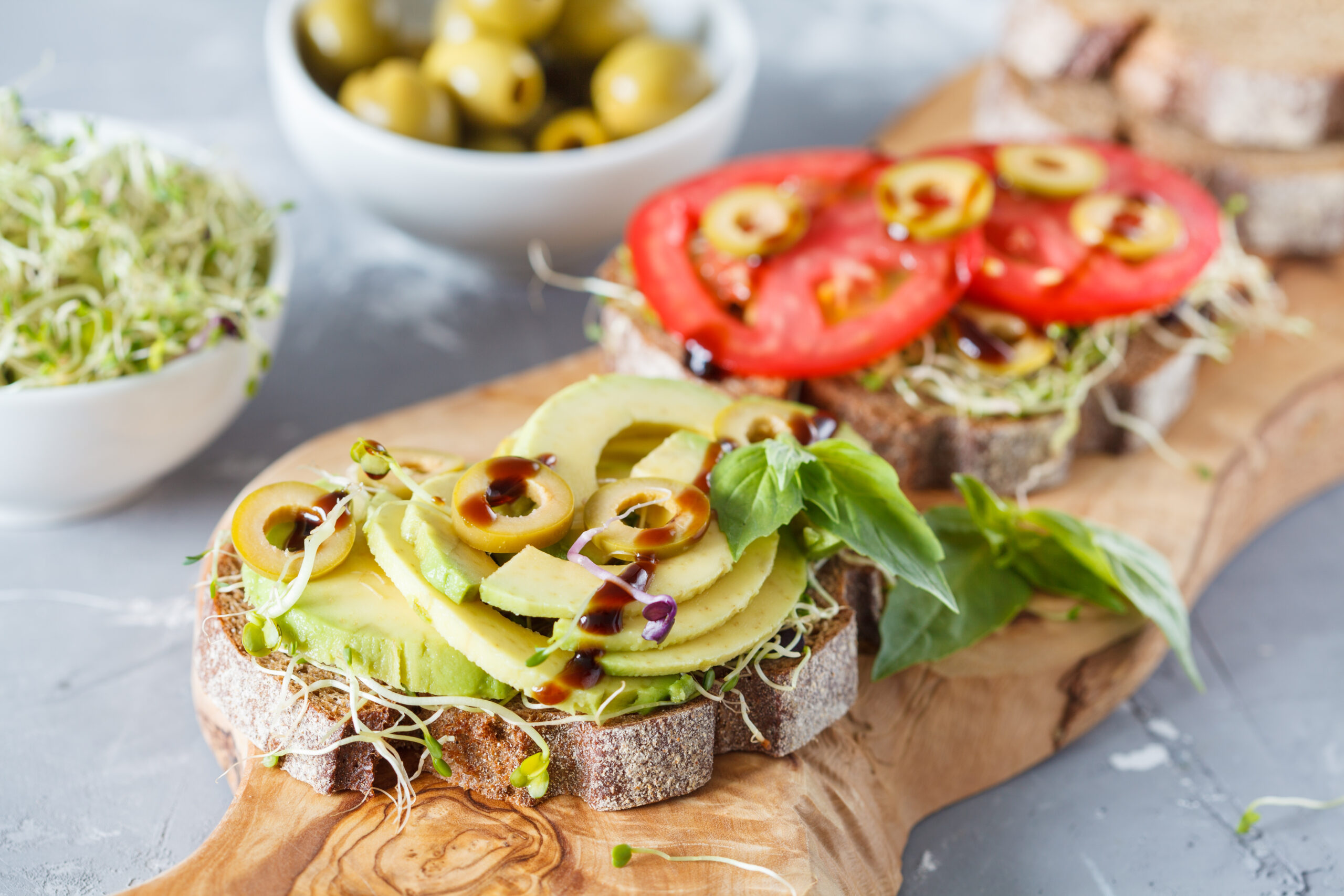
I started in Chicago meeting up with two of my childhood best friends. My local Chicago friend knew of a vegan restaurant with good reviews, but she had never been.  That was an easy choice. The other restaurants she suggested all had fabulous vegan options- I always check the menu ahead of time. Breakfasts are pretty easy- you can almost always get avocado toast or oatmeal. So that went well. The name of the vegan restaurant in the Chicago suburbs is Spirit Elephant.  It’s a bit loud but festive and the food is great and everyone seemed to be enjoying themselves. I highly recommend.

Eating Plant-Based in Michigan: 

Next stop was Michigan where I was staying with my mom and her significant other for the weekend. She offered to make vegan chili for me for the night that I arrived. OMG, it was amazing. We will be making it in the group in the future. Thank you, Mom for the extra effort and being willing to try a new recipe. I ate it for 3 days straight. Dinner one night and then lunch the next two days. The second night they were hosting a birthday party and she made the quinoa salad that we made in the group along with corn on the cob. Yummy! On the third night we went out for Chinese food and they made me tofu and vegetables with brown rice. So far so good.

Eating Plant-Based in Ohio: 

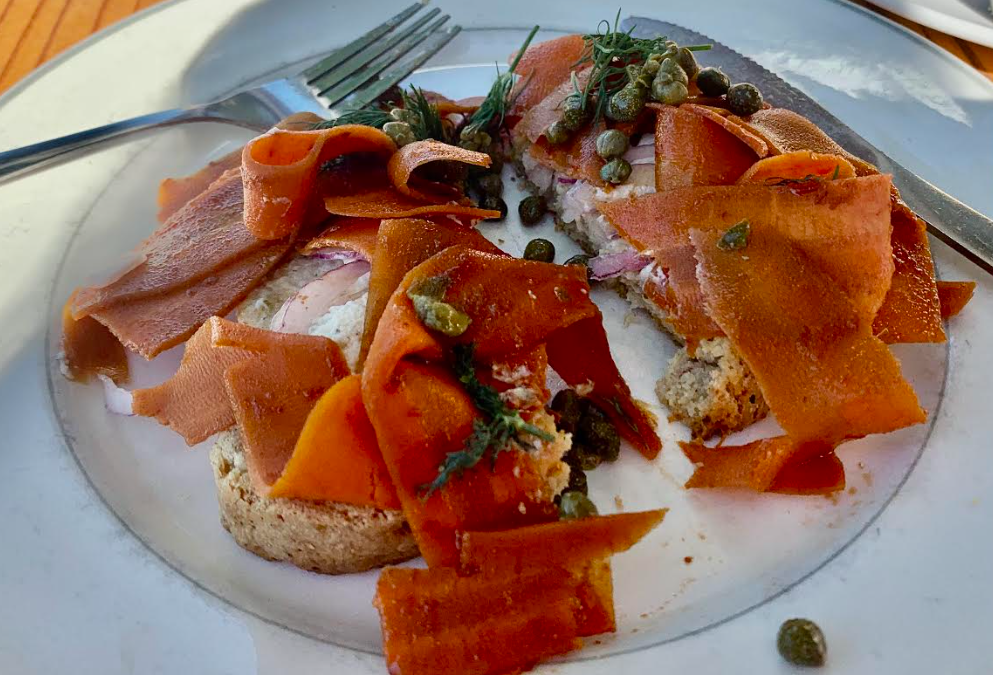
Now to Ohio. I met up with my friend, Vicki, outside Toledo and got a tour of her incredible family farm. She made us a beautiful salad for lunch. Then to Cleveland where I found an amazing vegan restaurant called Cleveland Vegan. Yummy bagel with vegan lox and vegan pancakes for breakfast. (Yes, both for me. I couldn’t decide.) I found it through an app called Happy Cow and I highly recommend the app whether you are looking for local vegan food or you are traveling. 

While in Cleveland I visited the Rock and Roll Hall of Fame (very super cool if you’ve never been), after which I noticed a Mexican-style restaurant just outside the Hall of Fame. I made a beeline and snagged an outdoor table. That was really fun, and they had a terrific vegan taco dish.

The very last part of this trip was a retreat with my women’s group. We stay at a center with that doesn’t really have vegan food, but they were happy to accommodate and had a few vegan options. I usually eat Peanut Butter and Jelly sandwiches when I’m there, but they also have a salad bar.

Since most of the people in my group don’t eat plant-based, I offered to cook dinner one night. With the help of a couple of friends I made the Caesar tofu wraps which (I think) everyone enjoyed. There was plenty leftover, so I had that for a couple of days. I had planned ahead and gone food shopping in Cleveland so I could bring all of the ingredients with me.

While I was definitely concerned before I traveled, there was really no reason to worry.

With a little bit of planning along with the Happy Cow app, I suspect eating plant-based is (at least almost) always doable.

P.S. I wanted to add that in addition to enjoying time spent with friends and family and eating good food and enjoying the Rock and Roll Hall of Fame, I also loved the architectural river tour in Chicago and the Ford Museum in Detroit. A little bit of culture everywhere I stopped!

I Love Sugar But It Doesn’t Love Me

I Love Sugar But It Doesn’t Love Me

When I was growing up, I had a serious sweet tooth. And if it wasn’t chocolate, it wasn’t dessert. As an adult, I still love sweets. But if it’s a cooked dessert, I now prefer a fruity dessert (like an apple crumble… mmmm…. Apple crumble).  I still love chocolate, just in smaller doses.

For the most part though, nowadays I avoid refined sugar. And I feel a whole lot better when I do.

When I’m eating a clean whole foods plant-based diet, there are no processed sugars in the foods I eat. I feel good and any sugar cravings go away.

Feeling good becomes a baseline and I don’t notice that I’m feeling good until… I eat some sugar. Then I feel out of whack.

AND, once I eat a little bit, I end up eating sugar for a few days until I realize that I feel lousy, and then I go back to eating clean. I like the sugar. It just doesn’t like me.

My kids were home visiting a few weeks ago and I baked cookies for them. I also bought vegan ice cream and oh boy, after a couple of days of this my body rebelled. Refined sugars in treats are an immediate jolt to my system. I like the sugar. It just doesn’t like me.

And this sugar conversation extends beyond refined sugars.
When my kids were home, we went to see the Red Hot Chili Peppers concert at SoFi stadium. The stadium displays signs for veggie chili or veggie burgers, but they didn’t have them available. Come on. Really? 

I was starving so I had a giant pretzel. That was my dinner.  I don’t eat a lot of refined wheat because it has a high glycemic index and turns right into glucose.

It didn’t help that I also had a beer at the concert. I don’t drink much anymore because alcohol turns straight into sugar and even if I just have just one drink, I feel lousy the next day. Years ago, I was a wine drinker. I finally had to acknowledge that it no longer agrees with me. I just don’t like losing a whole day the following day feeling lousy. Life is too short. I still do imbibe occasionally because I like it.  It just doesn’t like me.

It’s amazing how our bodies speak to us. The foods we put into our bodies are so important and our bodies respond. We just have to pay attention and be willing to cut out the foods that don’t serve us.

Once I’m on track and feeling good, I find it easy to stay on track. I don’t crave the sugary foods.

Yet, I also believe in balance. If I have an occasional pretzel or cookie or glass of wine at a special event, I make sure that I enjoy it while I’m eating it. If I have my wits about me, I don’t let it slide into a multi-day event and quickly return to eating whole foods plant-based.

So, what’s a girl with a sweet tooth to do? I still enjoy sweets and here are a few of my not-guilty pleasures: 

? I love fruit. I eat berries in the morning, often a banana in the afternoon. The nighttime fruit varies by season. In the winter I eat apples and dates and, in the summer, I eat peaches or melon or dates. Dates are seriously nature’s candy.

? I almost always have homemade peanut butter oat bars in the pantry for when I want a little sweet snack. A small piece usually does the trick.

☕ I love unsweetened sparkling water (like La Croix). Many nights after dinner I want a little somethin’ somethin’ and a can of that is perfect. Or a cup of herbal tea. It satisfies my desire to have something yummy without the sugar.

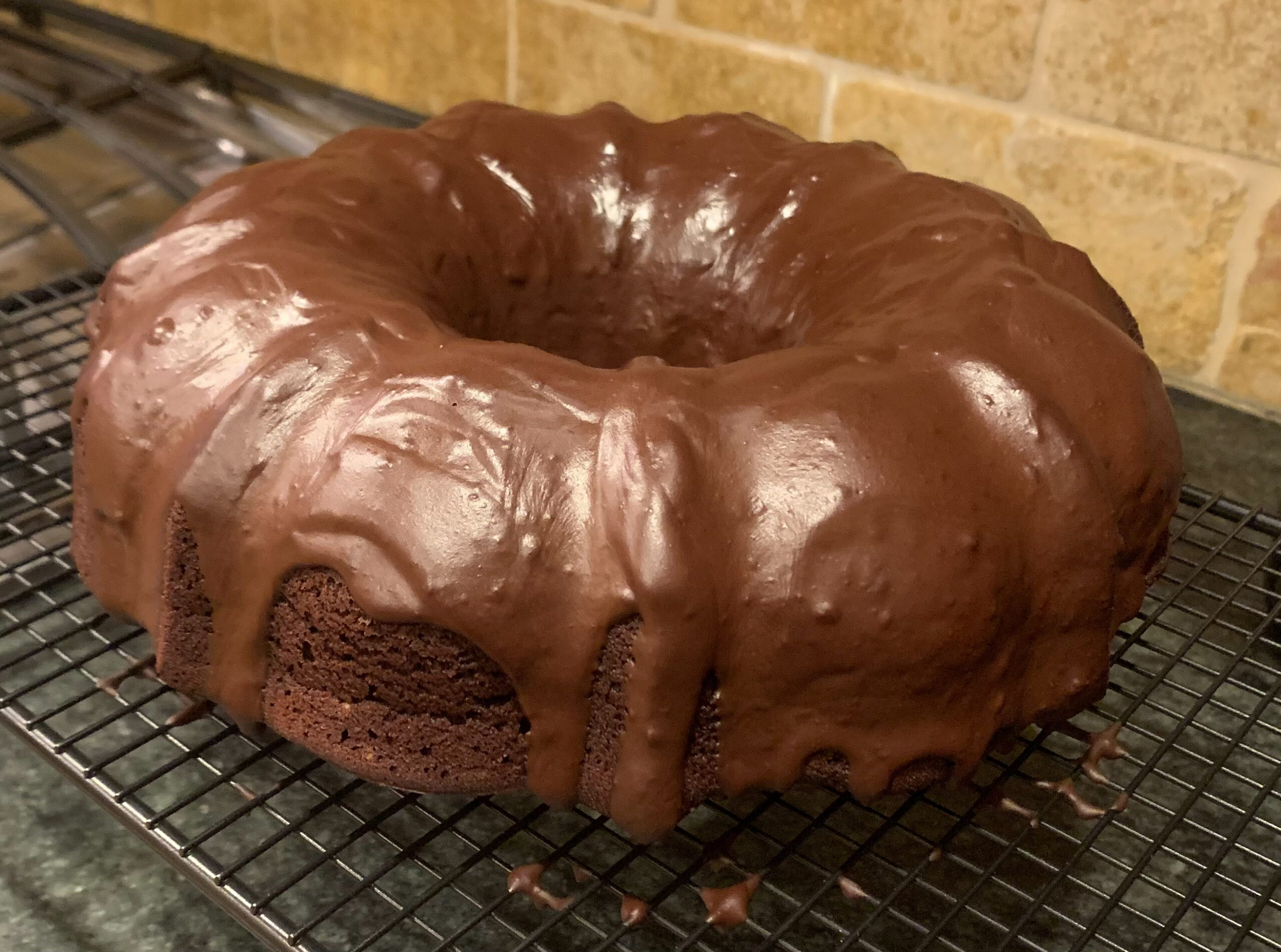
Lastly, I have always enjoyed baking for my family. Since I know that refined sugar is not good for any of us, I will only bake with sugar in moderation. And I will continue seeking whole food plant-based recipes that are yummy too. Balance.

How about you? Do you have a sweet tooth? How do you satisfy it?

The Low Carb Myth

The Low Carb Myth

“I need to make sure I’m eating low-carb.”

I hear this a lot. It’s a big topic. And understandably so! We’ve been indoctrinated to eat lean animal protein with a salad or vegetables for “optimal health” and weight loss.

Up until recently, this is what I believed too. 

I got used to eating the high protein way, but I also missed eating carbohydrates. (And when I did eat carbs, I overdid it.) Then I studied plant-based nutrition though Cornell and learned that when we eat a proper whole foods plant-based (WFPB) diet, we are supposed to eat carbs. In fact, the majority of our nutritional intake should be carbs.

Here’s the catch. If they are refined or processes carbs- like white rice, white bread (or wheat bread or pasta that isn’t whole grain), chips, pretzels, then no, they are not good for you. These foods are high on the glycemic index and turn right into blood sugar. These are the “bad for you” carbs.

However, when you eat whole grains, brown rice, quinoa, potatoes, sweet potatoes along with legumes, greens and fruits, then you are eating protein, fiber and complex carbohydrates.* This way of eating offers all the nutrients your body needs and satisfies your hunger. Foods are absorbed properly, and you aren’t experiencing blood sugar spikes. These are the “good for you” carbs.

In The China Study, the healthiest participants all ate a high carbohydrate diet that included vegetables and legumes. And despite consuming more calories than western diet participants, they were trimmer. It’s all about the quality of the food.

In addition to this study, I have learned of, and personally witnessed, countless people who have lost weight by switching to a WFPB lifestyle.  

? The Physicians Committee for Responsible Medicine has documented people with diabetes losing weight and reversing or improving their diabetes with a WFPB diet.

? Caldwell Esselstyn, of the Cleveland Clinic has documented numerous people with heart disease who have switched to a WFPB diet, gotten healthy, dropped weight and reversed their heart disease. 

? A childhood friend of mine, Naomi, is a breast cancer survivor and now eats a clean, WFPB diet and is trimmer and healthier than ever. Naomi also has an established coaching practice for people interested in a WFPB lifestyle to improve health and lose weight. I’m happy to introduce you if you are interested.

And I have personally experienced it. When I am eating clean foods (no or minimal oil, no sugars, whole foods), I drop a couple of pounds too. When I’m not paying attention to my food intake and eat more processed foods, I gain a couple of pounds. 

One of the big diet buzzwords these days is keto which is a high fat, low-carb diet. According to Harvard Health “It’s advertised as a weight-loss wonder but this eating plan is actually a medical diet that comes with serious risks.” This is just one article that explains a little about why it’s just not healthy.  

The same risks come with the Atkins and Paleo diets which are just modifications of the keto diet.

These diets are the polar opposite of a WFPB diet which is rich in antioxidants, fiber, nutrients and yes, protein! I eat whole grain wraps, breads, bean spreads (like hummus), nuts and nut butters, brown rice, leafy salads, tofu, edamame, beans, quinoa, veggies, oats, fruit, and so much more. I’m constantly finding new delicious recipes that are easy and yummy.

If we were having this conversation even five years ago, I wouldn’t have been so enthusiastic. But the vegan world has come so far that you can choose plant-based foods and feel satisfied. I enjoy Asian, Italian, Mexican, Middle Eastern-inspired foods and more. And when you focus on whole foods, according to years of research, you are preventing and possibly reversing diseases, all by making a conscious choice. 

Always consult your doctor if you have concerns. If you have questions about starting a WFPB diet, please ask me. I also have a great plant-based nutritionist who can help you sort out your food needs as well.

We already have a few WFPB recipes in our group with more on the way. So go ahead and eat your whole food plant-based carbs!

*If you missed last week’s post about where vegans get their protein, you can find it here. Included in that post are resources for protein sources as well.

Where Do Vegans Get Their Protein?

Where Do Vegans Get Their Protein?

Where do vegans get their protein?

This is one of the most commonly asked questions about a plant-based diet.

I get it! It wasn’t that long ago that my ideal meal was greens with a piece of salmon on top. Or maybe veggies, rice and a meat protein on my plate. Waking up in the morning, the go-to was often eggs.

Historically, eating animal protein has been touted as the “best” source of protein. And the amount of protein recommended in the early 1900’s was dramatically higher than today. There was also an element of prestige attached to eating animal protein.

In truth, animal protein is more biologically similar to our own bodies. As such, it is called a “high quality protein” and it helps us grow fast. But at what cost? The fast growth that animal protein causes, also causes cells to grow fast that aren’t supposed to grow, which is called cancer. Animal proteins have also shown to be the source of many diseases of affluence including heart disease and diabetes. 

Conversely, we can (and should) consume all of our protein via plant sources. It has only the health upsides and none of the downsides. A whole foods plant-based diet offers sufficient protein when eating a variety of foods.

For mere mortals (like me), the Recommended Daily Allowance (RDA) protein recommendations are 8-10% of our daily food intake. 

Here’s how to calculate this: “Adults require no more than 0.8 or 0.9 grams of protein per healthy kilogram of body weight per day, which is about your ideal weight in pounds multiplied by four and then divided by ten. So, someone whose ideal weight is 100 pounds may require up to 40 grams of protein a day.” – NutritionFacts.org

For a 70 kg (144 lb) adult male, this is 56 gms; for a 60 kg (132 lb) female, 48 gms. 

Even elite athletes are learning that while they do need more protein than an average athlete, they don’t need nearly as much as they originally assumed. They are foregoing the high protein powders and scarfing down chicken breasts and switching to a whole food plant diet instead, often with better performance results. (Have you watched the film Game Changers?) 

Where do we find this protein?

We’ve all heard about eating the rainbow.

We can get all our nutrients by eating a variety of foods. You may be surprised at how much protein is found not just in tofu and nuts, but also in broccoli, brown rice and many other “surprising” sources.* Further, we do not need to combine them all in one meal to get the appropriate nutrients. Aiming to eat a variety of fruits, vegetables, whole grains, tubers and legumes offers the nutrition that your body needs.

Thanks to creative plant-based chefs, there are now many interesting recipes that mimic foods we are accustomed to. Since my husband and I grew up with a “main” dish alongside a “starch” and a “vegetable” for dinner, I still often cook that way. The difference is that now, the “main” is usually a tofu or something similar, the rice is brown, and the veggies are roasted.

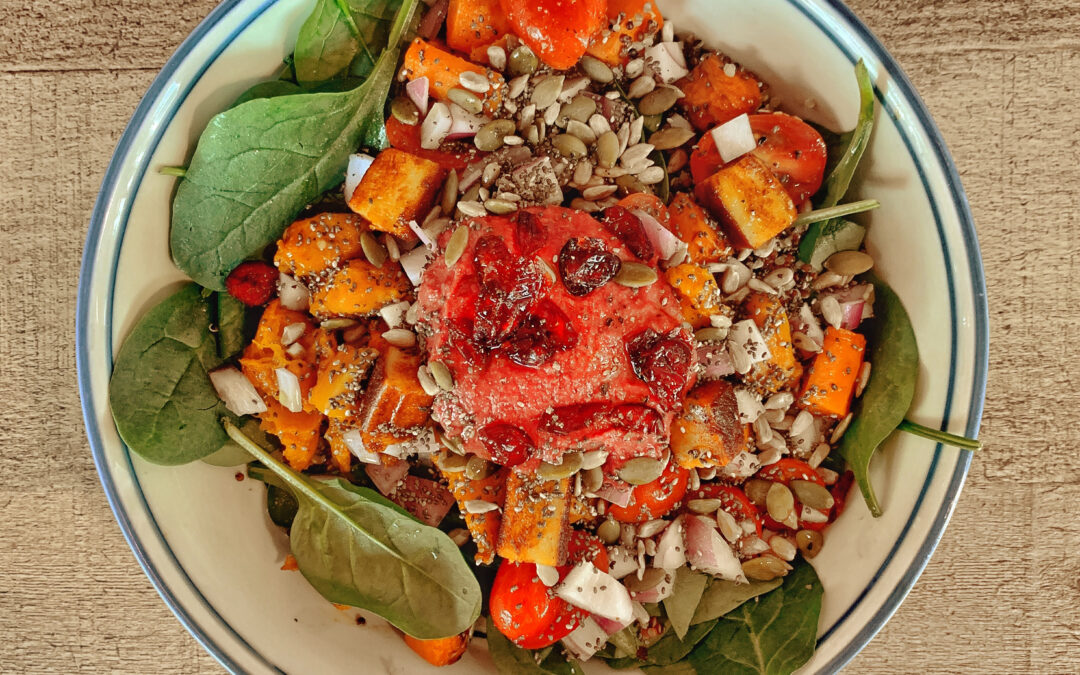
Hearty and tasty recipes teach us how to eat the rainbow, so we enjoy our meals, don’t feel deprived, and get the most health benefits. Veggie chilis, wraps made with whole grains, bowls, homemade veggie burgers… the list goes on and is endless.

(I have never actually made a “bowl”. I’ve only eaten them in restaurants. But I think they are a great way to get many nutrients in a delicious meal. I will be experimenting with bowl recipes and share the good ones. We’ve just begun scratching the surface of what is possible at What’s Plant-Based Cooking Good Looking?!)

*This pretty chart shows how much protein can be found in each of these plant-based foods. I have included another, more comprehensive chart here, that details many more foods. If you are concerned about your protein intake, please refer to it. If you are eating a colorful, low fat (minimal or no oil) whole foods plant-based diet that includes all types of legumes, fruits, vegetables, whole starches and more, you can likely trust that you are getting all of your nutrients. (Always check with a health professional if you have questions or underlying conditions.)

Every day I meet people whose cholesterol dropped dramatically in just a few weeks by switching to a whole foods plant-based diet.

Think about it — pandas, elephants, giraffes, horses and gorillas eat plants and they are some of the largest and strongest animals roaming the earth. We really don’t need to eat animal protein.

If you’d like to read more, here’s an article from T. Colin Campbell about the fallacy of animal protein and our obsession with protein in general.  

And another from registered dietician who wrote the article for a tofu manufacturer, but also includes other really good sources of plant proteins.  

Check back next week when we take a look at the other often-voiced concern: “How do I avoid eating too many carbs?”

How do I replace eggs when baking?

How do I replace eggs when baking?

Welcome back to Part two of the Egg Substitute Blog 

In Part One we shared different plant-based egg substitutes that one might eat. The very top of the post explains why eggs aren’t the best option. 

A couple of examples of substitutes are Just Egg, or tofu that tastes like eggs. (There are some super creative chefs that turn plant-based ingredients into dishes that look and taste like eggs. It’s kind of nuts- but in a good way.) 

This post is about egg substitutes when you are cooking or baking.

How often do you come across recipes that require eggs? There are many! 

Fear not- there are plenty of plant-based alternatives.

Here are a few of the plant-based ways I’ve been able to cook and bake without eggs. 

1. Flax egg– What is a flax egg? You mix ground flax meal with warm water and it turns into a gooey consistency that can be used as an egg substitute. When the recipe calls for it, it’s a much healthier substitute. I use flax eggs in a tofu dish (which we will make together soon) as well as in baked goods. (In fact, the recipe we are making this week is cookies! They are incredible and use flax eggs.) Some recipes suggest that chia works too.

  1. Aquafaba. What is aquafaba? It’s the liquid that comes in a can of beans, for example chickpeas. I wrote a blog post about it, and you can find that here. Aquafaba can also be whipped up into merengues or mousses.

I used to make chocolate merengue cookies with egg whites and recently craved those merengues. I learned that aquafaba could work and I was excited to try.  I was warned that they might not rise once I added the cocoa and that’s exactly what happened.  They were fluffy until I added the cocoa.  They baked flat but were delicious nonetheless. All the recipes I’ve seen out there for merengues don’t add the cocoa. Maybe I’ll try again another time without the cocoa.

  1. There are a variety of egg replacers that you can purchase at the store. One brand is Red Mill though there are a few. I took a vegan flan baking class last year and it called for a specific brand of egg replacer.
  1. And sometimes just omitting the egg is sufficient. For example, we make potato latkes (pancakes) annually around Hannukah time. The recipe I’ve used for years calls for grated potatoes, flour, salt and pepper and egg (to bind it together). I omit the egg and it works out just fine for the kind of latkes we make. We do not need the egg!

There you have it. Lots of great options available to avoid eggs!

“I’m pretty sure I’d never be able to give up eggs”

“I’m pretty sure I’d never be able to give up eggs”

Eggs were the last animal-based product that I gave up when I went vegan. First of all, I believed that I needed the protein. Second, I thought they were healthy. Third, I didn’t see the harm in eating eggs. After all, a chicken lays them and now you pick it up and eat it. No biggie, right?

Wrong.

Here are just a few of the issues:

  • Chickens are raised in hideous conditions, often with their beaks cut off so they don‘t peck each other.
  • The public has been duped to believe that many eggs are laid by free-roaming chickens. Yes, some are, but very few, and their lives are significantly more restricted than the idyllic scenario we are envisioning.
  • When chicks hatch there are people whose job it is to find out their sex. If they are female, they get to live. Male chicks are (WARNING, this is graphic) ground up and discarded.
  • Eggs are animal protein which is a cause of many of the diseases we encounter in western society like: cancer, heart disease, diabetes and more. The egg industry has a lot of power to sway public opinion. But even small numbers of eggs consumed each week are potentially harmful.

I was eating so many eggs before I stopped that by the time I did give them up, I was actually a little grossed out. But then I started missing eggs (absence makes the heart grow fonder, right?). Now, however, I have a few really satisfying alternatives. Here are my three favorites: 

1. I love the idea that Just Egg and other egg alternatives exist. I was so excited when I first tried this product. They have a few different versions. One comes in a squeeze container and mimics liquid eggs and can be found in the refrigerated plant-based section of the grocery store. It’s fine, but not my favorite. Just Egg also offer some pre-cooked egg dishes. One is Sous Vide Plant Egg Bites and they have a couple of different flavors. The other is their pre-made omelets. Both the egg bites and the omelets are found in the frozen section. I really like the omelet and will eat that with toast on occasion when I’m in the mood. They are not whole food plant-based, but if you miss eggs, it’s a darn good substitute. And their website has a ton of recipes (like the scramble in the image above. YES, that scramble is plant-based!) that use their liquid product.

2. The one dish that I missed a lot was egg salad. My mom has a really good simple egg salad recipe that I made regularly.  I was so happy to learn that Sam Turnbull, from the blog: It Doesn’t Taste Like Chicken offers a recipe for tofu egg salad sandwiches. (Hint, if you want to cook it along with us, join our Facebook group for tips and suggestions when we post it.) 

3. Tofu scrambles. I love making tofu scrambles, though I also love finding them on brunch menus in restaurants. In the class I took with Sam in 2020 we made a delicious breakfast burrito that uses her tofu scramble recipe. We will be making a version of that in the group and you can always search for scramble recipes online.

I attempt to eat a balanced diet. Really it’s more of living a balanced lifestyle by eating as much whole food plant based as possible. But part of that balance means enjoying veganized versions of the foods I loved and enjoyed.

When eating these non-egg products, I’m not harming animals and I have a smaller impact on the environment. I usually endeavor to make the best choice for my health (though sometimes yummy wins out. But it’s always plant-based yummy.) 

How about you? Do you still eat eggs? Have you switched from eggs but don’t have any good alternatives yet? Let me know what would help make this easier for you!

To Bean or Not to Bean

To Bean or Not to Bean

To bean or not to bean. That is the question. Let’s discuss.

We all have foods that we like or dislike. Foods that agree with us or don’t. And foods that for some reason, perhaps an allergy, we just cannot eat.

Some people in our What’s Plant-Based Cooking Good Looking? community will not eat tofu, others won’t or cannot eat nuts and others won’t eat beans. The beans issue, I have learned, is less from a health concern standpoint, but more from a comfort standpoint. 

We all know the old rhyme:

Beans beans the magical fruit, the more you eat the more you toot. (Did I just write that? It appears I did. And I used to say it a completely different way when I was a kid too.)

Honestly, when I eat too many beans, well, you know what happens. (I’m pretty sure I did not just write that.) 

Some people find that soaking them first helps, other people find that taking Beano works, and others find that nothing works and it’s just easier to stay away.

I find that some beans always make me a little gassy (Am I still writing about this?) and others not at all.

For example, I don’t think I ever have problems with lentils. And I’ve heard others who are the same. But the white bean dip that I make…Oh boy. That I have to eat in moderation. Maybe I’ll do an experiment and try soaking them next time (they are already canned, so it might not help, but it’s worth a try). 

Last week I had bowls of chili with three types of beans, and I was fine. So, it’s all a big personal experiment.

All of this leads to why it’s worth eating beans.

? Beans are an excellent source of plant-based protein

? Beans are versatile and can be used in many dishes

? Beans are lower on the glycemic index and won’t spike blood sugar

? Beans are relatively inexpensive

? There are many different types of beans and pulses- i.e. black, kidney, pinto, white, soy, chickpeas and others

? You can buy dried beans and soak them yourself (super easy) or you can buy them canned (even easier).

According to just one of many studies:

“Beans are an inexpensive yet nutrient-dense food… A ½ cup serving of cooked beans provides up to 25 g of protein…The micronutrient content of legumes and pulses consists of an array of vitamins and minerals necessary to human nutrition.” — Health Benefits of Plant-Based Nutrition: Focus on Beans in Cardiometabolic Diseases

I have definitely increased the number of dishes I make with beans. And the dish I am sharing in the group this week uses lentils instead of meat to make a Bolognese sauce. I have a couple of different Bolognese recipes that I will be sharing over time, but my husband thought this one really tasted like meat. In fact, to our knowledge, this was the first time he ever ate beans! I told him afterward that he just ate beans and he was rather surprised. Win!

There are many creative chefs using beans to mimic meat and omnivores are enjoying the dishes.

Let me know if you eat beans, and/or if you are willing to try again. And for sure join us in the group to check out the recipe. The chef is really fun, has great energy and her recipes are wonderful.

Q and A: Chopping Veggies

Q and A: Chopping Veggies

For those of you in our Facebook group, you saw the question I asked when you asked to join the group.

The question is: What are some of your questions or concerns about eating plant-based?

Many of you answered it which was very helpful. One thing I’ve learned is that if one person has a question, then many others do too.

Some of the questions have quick answers (i.e. simple cooking questions), and others take a bit more explaining (i.e. getting enough protein), but they are all equally important and we will get to them all.

I’m going to start out easy because my response this week actually dovetails with the recipe.

Since summer is in full swing and my kids will be home to visit soon, I pulled out my favorite gazpacho recipe that they love too. (As always, you will find this recipe in the group.)

Many gazpacho recipes call for pureeing your veggies into a smooth cold soup. But not this recipe, which is a) why I like it and b) why it’s the topic of this post today.

One of the comments/questions I got in the group resonated with me. She said, “I really don’t like chopping vegetables, is there a better way?” 

The answer is yes and no. If you are going to cook with fresh vegetables, it may require chopping. In fact, it will, at some point, require chopping.

Here are some tips:

? Personally, I can’t stand too long in one position so if a recipe I’m making does require a lot of chopping I will either chop some of it earlier in the day (or the day before) and then go do other things, or sit down while chopping.

? I’m more than ok with cheating a little and buying some pre-chopped vegetables when I can. Mushrooms can often be found sliced in a package and I always have chopped garlic in a jar. I have, in the past, bought pre-chopped onions too. If they are super fresh, it’s great. But if you’ve ever cooked with onions, you know that the flavor (and smell) gets stronger each day. So sometimes it can be overpowering to cook with pre-chopped onions.

? Sometimes cooking with chopped frozen veggies will work too (spinach is a good example that I have used in the past, and I know that many other vegetables come frozen. In fact, my son makes smoothies with frozen strawberries because the smoothie stays colder than just adding ice).

I know some purist cooks would never in a million years buy pre-chopped or frozen anything. I get it! And I get that the pre-chopped requires more packaging, which isn’t great for the environment. But if it’s a make-or-break situation, then I’d rather buy some pre-chopped items and still cook the food. There are a bunch of ways you can do it and still end up with a home cooked meal.

Either way, it’s kind of like other tasks that we don’t really like to do. If we want to get into a neatly made bed at night, we make our beds in the morning. If we want to wake up to a clean kitchen, then we clean up after dinner. And if we want the benefits of a healthy plant-based diet, sometimes it’s best to just set aside some time and get Zen about the whole experience. Put on some music and just get into the chopping. 

This week’s gazpacho recipe calls to roughly chop the veggies. I like “roughly chopped” because it doesn’t take very long. Then they go into the food processor which does the rest of the work (though as I mentioned above, they do not get pureed which I like because it ends up tasting more like a salad than a soup). Be sure to join us in the group to find out which recipe I’m sharing!

Another question I received from a friend was about how to actually chop and slice veggies.  Many people have zero experience cooking and this is all new to them.  Let me know if you already have a handle on this or would like for me to make videos. Remember, I’m not a chef, but I’m happy to show you how I do it. Email me at diane at whatsplantbasedcooking dot com and let me know!