The Food I Ate as a Kid vs. What I Eat Now.

The Food I Ate as a Kid vs. What I Eat Now.

I grew up in the 70’s and 80’s which means there were a lot of convenience foods already on the scene. 

I ate Fruit Loops, Apple Jacks, Cap’n Crunch (in cows milk) and Pop Tarts on weekdays. And weekends were French Toast and pancakes, or eggs for breakfast.

If you read Pop Tarts and thought “Yum Pop Tarts”, you are not alone. I LOVED Pop Tarts and I’m sure I would still love them now. Side note, a friend just hosted a birthday lunch, and she picked up vegan homemade pop tarts. Nothing like the original, but really good.

If I took lunch to school, it was likely a sandwich- turkey, or tuna fish or peanut butter and jelly (on white bread).  I don’t remember too many of the hot lunch offerings other than Sloppy Joes or pizza, but I do remember Linden’s cookies and little boxes of milk.

Snacks after school were usually cookies or donut holes, or I was told to “eat something healthy like cheese.”

Weeknight dinners at home started with a half grapefruit or cantaloupe. (I have no idea how that tradition started.) On Monday nights my Grandparents were at the house and Grandma Alice cooked.

She was a good cook, and those meals were usually a meat (often chicken), a starch (white rice or a potato) and a salad or a steamed vegetable.

(The only veg I couldn’t stomach was lima beans. To this day it’s the only bean I won’t touch, and I love beans.)

(Note: that is neither my mother nor grandmother in the image above. But the 70’s vibe is right on.)

My mom, (also a good cook) cooked the remaining weeknights – generally a meat or fish, starch and a veg). Then on weekends we had TV Dinner or pizza when my parents went out. And on Sundays we would bring in Deli sandwiches, go out for Chinese food, or something similar.

Does any of this sound remotely familiar to you? What were your childhood meals like? 

I know I ate fruit because I remember that Delicious apples were actually good back then. (Now there are so many awesome apple varieties!) I also remember eating peaches and cherries in the summer.

We also had a beautiful farm stand just a few blocks from my house. In the summers (I grew up in New York state so it was only operational over summer), we would walk there and pick up corn and other summer veggies. I am certain I did not appreciate how special that farm stand was back then.

And I remember growing zucchini and carrots in our backyard. 

All in all, it could have been a lot worse. I know some people only grew up with meat and mashed potatoes and vegetables smothered in butter or cream sauce.

Yet now that I know how many animal products I was consuming, how much sugar (Fruit Loops!), empty calories, how much processed food (TV Dinners) etc. etc. I can see how easy it is to be addicted to certain foods.

The food industry isn’t stupid. They know what people crave and they have created foods that are appealing to the palate and addictive, yet devoid of nutrition.

When you compare my childhood (and younger adulthood) food intake with food consumed in Blue Zones you can see why western societies have lifestyle illnesses that Blue Zone societies do not. (Have you watched Live to 100: Secrets of the Blue Zones yet? If not, I HIGHLY recommend.)

These societies are cooking and consuming real food. Fruits, vegetables, legumes, whole grains, nuts and seeds, and very small quantities of meat from time to time. They aren’t trying to kick a cheese addiction because they never formed one. They aren’t craving the salt and fat in TV Dinners because they cook simple, yet flavorful and nutritious meals. And they are living longer, healthier lives because of it.

While hardly pristine, my plant-based lifestyle is a lot closer to a Blue Zone lifestyle than to the 1970’s diet I grew up on. 

I can’t turn the clock back and start all over with my kids (they are young adults living in a different state).

But we can all start where we are now. Today. Making one healthy whole food plant-based choice at a time.  

If eating plant-based feels overwhelming, I get it. The foods we grew up with are so ingrained.  Please let me know if you could use a little support taking a first or next step.
My New Balsamic Love Affair (it’s a little spicy)

My New Balsamic Love Affair (it’s a little spicy)

I love a good synchronicity. Read on to find out about my recent balsamic synchronicity! Here’s the whole story:

I used to eat oil and vinegar regularly. Often a vinaigrette on my salad. And I love steamed artichokes. Growing up I dunked them into mayo (gross), butter (also gross) and then I discovered balsamic and oil. 

However, while studying plant-based nutrition at Cornell, I learned that oil is just empty calories. We are better off getting our fats from the whole food- avocados, olives, nuts…  Yes, olive oil is better than animal fats, but if you can avoid oils, you are better off.  

When I learned this, I dramatically cut back on my oil consumption. 99% of my home cooking is now oil free. So, my oil consumption (which I attempt to minimize) is mostly from dining out. 

One of the suggestions made in the Cornell program was to try different balsamic vinegars as a salad dressing. Great idea! It’s easy and in my experience, the oil is unnecessary. 

Last year, a friend gifted me a lemon balsamic from a specialty store in California. It offers yummy flavor for salads. 

Sometimes I make interesting whole food plant-based dressings (like the spicy Thai dressing from Garden of Eydie), but I’m pretty lazy and often just use balsamic. Same for artichokes. They don’t need the oil. 

I also use a plain balsamic in a vegan Bolognese sauce. Really delicious. 

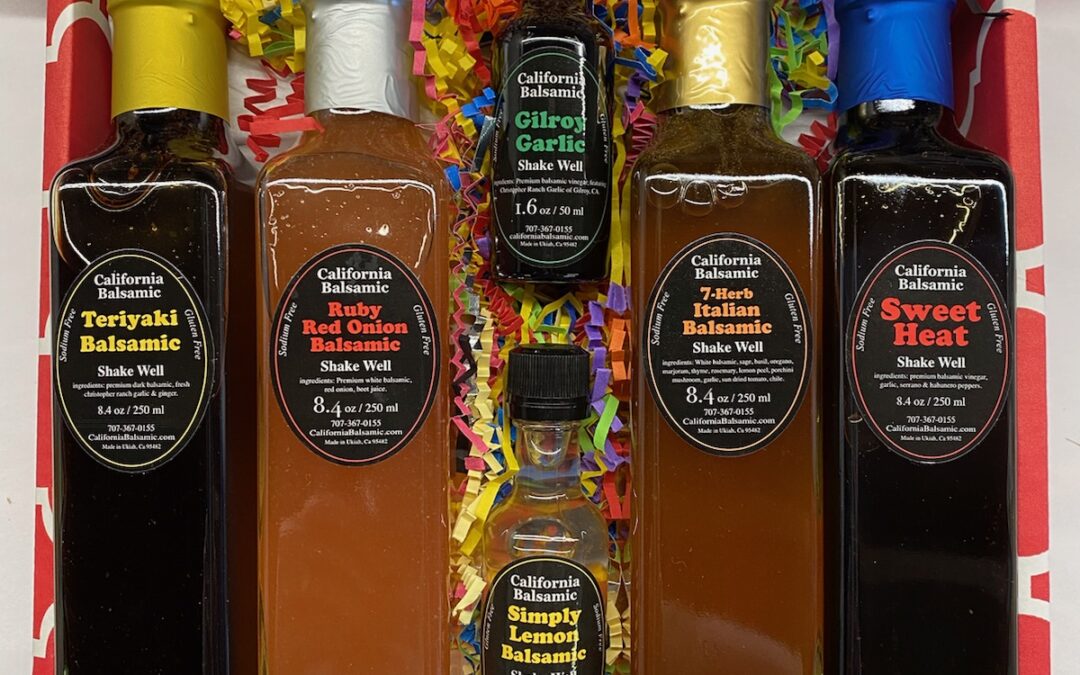
Life just got more interesting, however, when Chef AJ introduced me to California Balsamic. Their flavors are endless. Shopping on their website made me feel like a kid in a candy store. What’s great too is California Balsamic offers small bottles (like airline shampoo travel sized) so you can taste a bunch. (And they offer free samples too!)

All I want to do is eat salads now so I can try new flavors! (This is a good thing.)

Here’s the synchronicity: 

Someone recently joined our Facebook group and asked for recipes with balsamic. Other than the Bolognese, artichokes and salads, I didn’t have any.

As luck would have it, California Balsamic (which I discovered the SAME WEEK the person joined my group) has TONS of recipes on their website. I’m trying one tonight! Here’s a link to the recipes. 

I ordered a bunch of flavors and started sampling them this week. I had the jalapeno lime balsamic and it’s delicious (and a little spicy). 

Chef AJ has her favorites, and California Balsamic offers a Chef AJ sampler (which I purchased). Some flavors lend themselves best as a salad dressing and others as marinade. I will be trying many! 

Let me know if you have tried California Balsamic and if you have a favorite flavor, or a favorite recipe that uses balsamic!

This post may contain affiliate links.

Where Compassion for Animals, Our Health and the Planet Intersect

Where Compassion for Animals, Our Health and the Planet Intersect

In my personal and spiritual development, I’ve done some soul searching about compassion.  As a kid I had a lot of it for others. 

Somewhere along the way, I forgot to have it for myself. I’m re-learning. Definitely a work in progress. 

One tangible way I now express compassion is through the food I eat and the lifestyle I lead. When I first adopted a vegan lifestyle, I was making compassionate choices for the animals, and as it turns out, for our planet. With a little bit of education and tweaks to some of the food I eat, my food choices are now also compassionate for my body. 

The animal, health and climate trifecta positively affects the mind, body and soul trifecta. I can sleep at night knowing that, to the best of my ability, animals weren’t harmed for my consumption. And now that I practice a whole food plant-based lifestyle, my body is fueled with love, care and all the nutrients it needs. 

Here are some examples of how vegan and healthy plant-based lifestyles can be compassionate. 

Consciously choosing not to eat animals is compassionate:

  • No sacrificing animals on my behalf.  
  • Nor am I sacrificing taste as there are so many delicious plant-based options now. Plant-based food is readily found around the world.  
  • I’m certainly not sacrificing my health and there is endless proof and literature on the topic. 
  • My food habits don’t contribute to the environmental destruction caused by animal agriculture. 
  • Animal agriculture is not sustainable for the earth or her people. Choosing plant-based is sustainable. 

Consciously choosing to cook plant-based is compassionate:

  • It is compassionate to my wallet (cheaper than dining out).
  • It is compassionate to my taste buds because I get to try so many different recipes.
  • Learning to cook healthy vegan offers even more delicious options plus an introduction to new textures, flavors spices and more. 
  • Cooking has become fun and creative, which are important qualities to me.
  • I get a bit of movement while cooking. (More than ordering in from a restaurant!)
  • Cooking is the easiest way to eat healthy plant-based.
  • And cooking (and eating!) can be meditative if I allow it to be. 

Being compassionate is intrinsic to our nature. We are born that way and then life happens, and sometimes we forget. I spent a bunch of time in my life disconnected from that inherent compassionate part. I’m glad I’ve re-awakened to compassion and I’m delighted that it includes a plant-based lifestyle. 

I often explore a vision of a future when everyone relates to their inherent compassion.  Compassion for other people, compassion for the animals and the earth.  We are deeply connected to one another and all other beings. It is worth pondering. 

Now I have the great privilege of sharing cooking and eating plant-based with you and others. It’s a beautiful way of living, easier and more fun than I thought. It’s one of the most compassionate ways of expressing myself that I can think of.

If eating more plant-based has been on the backburner for a while and you’d like to get started, I’m here to help.  

Why I’m Not Drinking Alcohol in January

Why I’m Not Drinking Alcohol in January

I used to drink a lot. I was a party girl. Big time. And a party girl, for me, included alcohol. 

I didn’t drink every day. It was mostly social. When I did drink, however, I usually drank more than necessary.

I also went through a phase when I was really into wine. My goal was to recognize at least a couple of good wines on any restaurant wine list. It was a fun hobby until I decided to cut back on my drinking. 

When I was younger, I could handle alcohol. These days, my body just can’t process it. Just one drink, and I don’t sleep well at night, and I feel lousy the next day.

I still do have an occasional drink. I just know that I’m not going to be my best the next day. Plus, I have a meditation practice, and a hangover, even a tiny one, messes up my meditation. Thus, I’m more thoughtful about when I consume alcohol.  

I’ve heard about dry January before, but I’ve never tried it. Generally, the only time I want a drink is when we go out to dinner. I do love a nice glass of wine or a celebratory cocktail. But I’m also fine choosing sparkling water. And I’m always happier in the morning when I didn’t have a drink the night before. 

I decided not to drink in January for two reasons. The first is that I’m busy teaching a class and I want a clear head. The second is to challenge myself. I figure that anyone who is used to a Standard American Diet (SAD) and trying vegan or plant-based for the month of January is challenging themselves. I’m already vegan all year long, so committing to a month without alcohol is my challenge. I don’t mind not-drinking, it’s just about being mindful.

If people new to plant-based are being more mindful about food choices, I can be more mindful about something too. Making the commitment not to drink for the month requires being mindful. That’s all. Maybe part of my meditation practice will be to pay closer attention to the green tea I sip during the day, or the herbal tea I enjoy at night. 

Kudos to those of you doing a reset by trying vegan for the month. I hope your Veganuary is going well. If you need some support, or have questions, please reach out. Our Cook-along goes through the end of the month and it’s not too late to join!


Your Biggest Plant-Based Questions Revealed

Your Biggest Plant-Based Questions Revealed

When people join my Facebook group, I ask them what their biggest questions and concerns are about eating plant-based. Here is a sampling of what I’ve learned:

? Getting enough protein

? I think it will be too time consuming

? How to cook plant-based ingredients into a healthy, satisfying meal

? Cutting veggies is so time consuming, is there a better way?

? I need easy and budget-friendly recipes

? Still enjoying rich flavors and textures in my food

? Animal welfare is my biggest concern

? Making sure my daily eating is nutritionally complete

? I’m concerned I’ll miss eating animal products

? Creating a whole plant-based menu is challenging

? I have trouble finding good easy filling meals

? I need variety. I get stuck eating the same things

? I’m afraid to eat high carbs

? Sticking to plant-based in a family that isn’t

? I don’t like cooking. I want it to be easy

There are many more responses but these are the most common.

Here are my next questions: Has everyone reading this gotten their questions (even if they aren’t listed above) answered? Are you eating as plant-based as you’d like?

Or do you still have concerns?

If you still have concerns and you are serious about eating plant-based, then it is time to take action. Reading posts isn’t going to magically teach you how to cook and eat more healthfully, or to stop eating animals. And if you don’t already know how to cook plant-based, a recipe might not be sufficient. It’s time to take a class (whether mine or someone else’s) or contact me for one-on-one coaching. 

If you are really interested in eating more plant-based and haven’t done it yet, taking my upcoming class is a perfect next step. Not only will you learn SIX new recipes over four weeks, but it will also be interactive. You’ll be able to ask questions about the recipes as we go, AND you’ll be able to pick my brain at the end of the class when we’re done cooking. 

We’ll have plenty of time for questions at the end. 

Class starts on January 10th and will be recorded. 

It’s a brand new year and we are celebrating trying vegan for the month of January. It’s called Veganuary.

It is not too late to make a difference to your health, our planet or the animals. But you do need to take action to get results. 

Please join us. It’s going to be fun and we’re all going to learn a lot. 

Click here to learn more and join our Veganuary cook-along.


Blue Zones and Purple Potatoes

Blue Zones and Purple Potatoes

With all of the holiday buzz and craziness in our world right now, I almost forgot to talk about Blue Zones! Have you heard of Blue Zones? Or watched the new series called: Live to 100, Secrets of the Blue Zones on Netflix. I highly recommend. It sure is eye-opening and inspiring. The series is hosted by Dan Buettner who has been researching and writing about Blue Zones for a while. 

The idea is that there are five locations around the world where the residents live longer than anywhere else. The five locations are: 

Ikaria, Greece; Loma Linda, CA USA; Sardinia, Italy; Okinawa, Japan; Nicoya, Costa Rica

What makes these places special? Is it the location? Or is it the practices of the people therein? 

I do hope you watch the series. But here’s an overview of the Blue Zone principles. 

Move Naturally. Many of the Blue Zone residents garden, or sit on and have to get up off the floor, or walk hills because that’s where they live. 

Purpose. Have a sense of purpose each day. Or “why I wake up in the morning.” A simple example is having a garden to tend to. 

Down Shift. Each zone has a different way to shed stress, but it’s part of the equation. 

80% Rule. Stop eating when you are 80% full. No need to stuff our faces until we feel sick. Many cultures stop eating much earlier in the day too. 

Plant Slant. Beans are the cornerstone of most centenarian diets. Most of these cultures eat plant-based, if not plant-exclusive. Okinawans eat a lot of purple potatoes, which I just started eating lately. And Dan Buettner, shared, “…the diet associated with longevity is 95-100 percent plant-based…””…The five pillars of every longevity diet in the world are: whole grains, tubers, greens, nuts and beans.” (From the Physicians Committee for Responsible Medicine magazine.)

Wine at 5. All the Blue Zone residents (except for Adventists in Loma Linda) drink moderately and regularly. Ideally with food and friends! I don’t drink much anymore, and there are certainly people who choose not to drink at all. But if it’s working for the Blue Zoners, maybe there’s some merit. 

Belong. Most belong to some faith-based community. While participating in a religion isn’t required, being part of a spiritual community (or your version thereof) may be beneficial. 

Loved Ones First. Family first, including aging parents nearby. 

Right Tribe. “The world’s longest-lived people chose- or were born into- social circles that supported healthy behaviors.” Who we choose to spend our time with influences important health choices. 

While their activities and cultures differ, there are some commonalities between them all. 

I’m already plant-based and include many of the Blue Zone habits into my lifestyle, yet, there is always room for improvement. And I’ve increased the number of purple potatoes and sweet potatoes in my life! This is a yummy improvement and one you can make today. 

Looking for more direction to start eating plant-based? Or add more into your repertoire? Or go totally vegan? It’s not as hard as you may think, and it is so rewarding. Whether through the classes I offer or one-on-one coaching, there are multiple ways to live a Blue Zone inspired life. Feel free to reach out for a free consult. 

Or simply commit to trying plant-based for January. We will be celebrating Veganuary. Find out more here.


Veganuary 2024 is coming!

Veganuary 2024 is coming!

Veganuary is Coming and I wanted to let you know we will be celebrating and hosting a cook-along in January.

Up until last year, I never thought much about Veganuary since I already eat plant-based year-round. Upon further reflection, however, it’s a great way to introduce plant-based eating.  

What is Veganuary? Veganuary is an organization that encourages people to try vegan for January and beyond. Their website has a ton of information and recipes galore. 

If the idea of eating plant-based for a whole month sounds hard, here’s a reframe: 

Don’t think of it as what you are giving up. Rather, think of it as what you are gaining: 

? A whole new repertoire of foods to try,

? Recipes to learn to cook,

? An exploration into how living a healthy plant-based lifestyle can do wonders for your health,

? Feeling empowered that you are contributing to healing, not harming, the earth via food you consume.

? And of course, the ability to sleep at night knowing you didn’t harm an animal for your food.

There’s more, but that’s a good place to start. 

Plus, it’s only one month and if at the end you decide it’s not for you, then you can go back to eating whatever animal products you were eating before. 

BUT, you might also decide that it’s not as hard as you thought. Or, you might see some improvements in your health and want to stick with team plant-based. Or you might learn about the atrocities of the animal food industry and decide you no longer wish to participate. Or, or, or… 

Yes, there is a lot of wacky information out there about what is healthy. And yes, there is a lot of misinformation about the animal agriculture industry (such as how we are lead to believe that it’s humane). 

Yet, I hear over and over from people who are now 100% plant-based or vegan that their biggest regret is that they didn’t do it sooner. I’m one of those people. 

2024 can be the year you learn to cook and eat more plant-based. Or, at least January 2024 can be if you participate in our Veganuary celebration with us. 

We will be hosting a “cook-along” this Veganuary. Kind of an informal cooking class- super relaxed, fun and helpful. 

For more information about the cook-along, click here.

Resilience: People, Plants, Pigs (and other animal friends)

Resilience: People, Plants, Pigs (and other animal friends)

The theme of resilience has been front and center for me lately. I’ve noticed mental, physical and emotional resilience in many areas of my life. 

Resilience came into my purview while both of my kids were dealing with challenges. We discussed how when we deal with challenges, we build mental resilience.

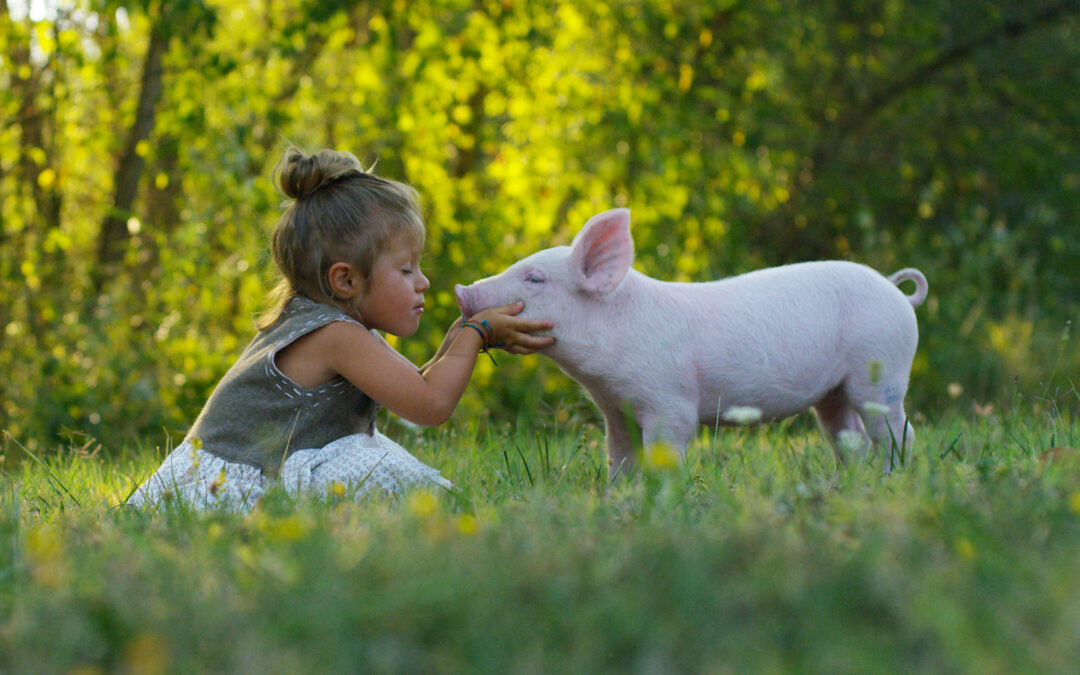
Then I saw resilience in Winnie the pig. She lives at Garnsey Feral Acres, a sanctuary that I follow. When Winnie was adopted, she was facing many physical challenges. There was a moment where it looked like she would be ok. But then, despite the extraordinary love and care she was receiving, Winnie was suffering and there appeared to be no choice but euthanasia.  At the eleventh hour, when some new meds kicked in (along with a giant miracle), she completely turned around and is now thriving.  This is physical (and spiritual) resilience.

I see resilience in farm animal sanctuaries every day. I follow a few of them online and find joy watching the animals. The people dedicated to the animals in their care are amazing. In order to do their work, they exhibit strength, commitment, compassion, flexibility and a ton of resilience.

In fact, another pig, named Steven at Arthur’s Acres, just passed (as did Esther the Wonder Pig a week or so ago.) We must feel the grief and then keep moving forward, which builds resilience.

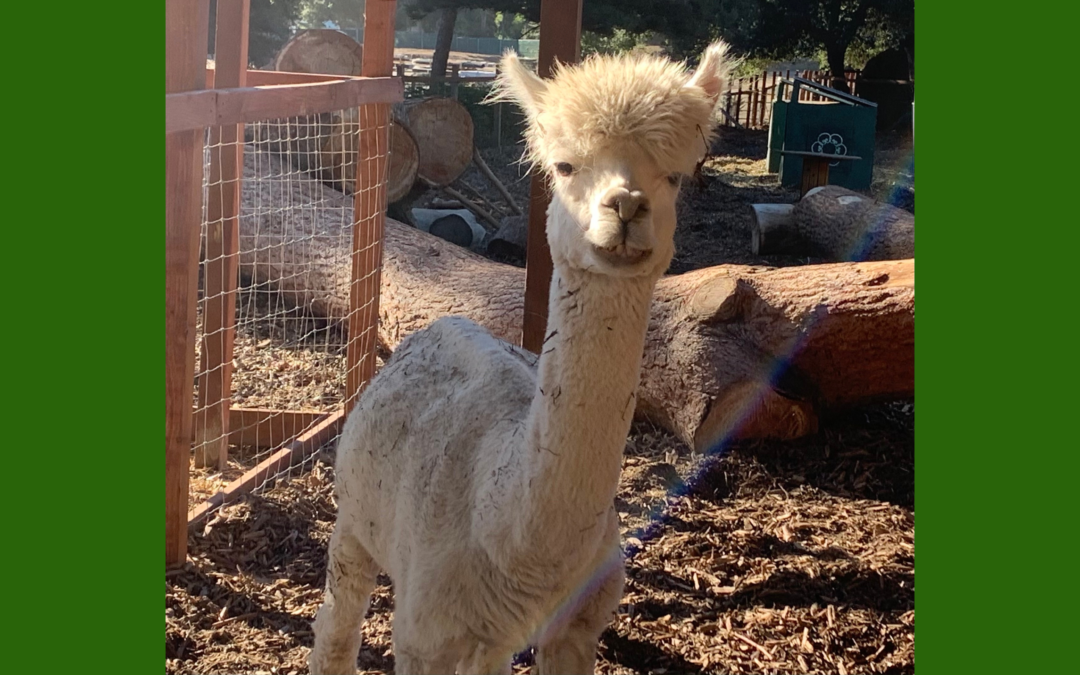
I am amazed (but not surprised) by the amount of work and devotion required to operate a sanctuary. My friend Linda and I recently volunteered at Kindred Spirits Care Farm in Los Angeles. (The alpaca in the top photo lives at Kindred Spirits.)

We were only there for three hours, and it was EXHAUSTING. I tip my hat to everyone involved with a farm sanctuary. 

Winnie the Pig

Linda filling a wheelbarrow with mulch for the horse pasture at Kindred Spirits

I saw resilience again when something that was said in our vegan community was met with negativity. OK, we vegans are criticized regularly- it happens every day.  Yet we move forward anyway, believing in our hearts that what we are doing is right. We are resilient when taking the flack yet continue down the compassionate path.  

What helps us be resilient? Community, love and support and having a deep resolve. Where are you resilient? Do you notice others being resilient? It’s a wonderful quality to notice in yourself and others.

Give Peas a Chance 

Give Peas a Chance 

I was tasked with creating a theme for our recent Vegan Toastmasters meeting. Given the state of the world, particularly the recent Hamas attack on Israel, the theme that jumped out at me was PEACE.

Peace feels so elusive, especially in the Middle East. Despite the complicated nature of the conflict, most of us are horrified by the brutality inflicted on innocent humans- no matter what your beliefs are about who is right. Violence toward humans happens all over the world for myriad reasons. 

Tangentially (but not unrelated) many of us are horrified by violence inflicted upon non-human animals. Humans massacre millions of innocent beings every day. Needlessly. While many readers will say “but an animal’s life is not equal to a human life,” I beg to differ. Perhaps animals don’t have the cognitive abilities that humans have. But they are sentient beings and feel pain. They have families and communicate and love their offspring. Not too dissimilar from us humans. 

Cows, pigs, chickens, fish (and any animals we consume, perform tests on, trophy hunt) deserve better than the horrible existence to which they are subjected. (Yes, even the ones who are “humanely raised.”)

The topic of animal slaughter and consumption is also complicated.  Our agriculture and food systems are enmeshed with major corporations and governments. Eating animals is normalized in most cultures and it’s how most of us grew up. 

We don’t have an easy solution for peace in the Middle East.  I will leave that to more learned minds than mine. BUT we do have an answer to animal slaughter and torture. It’s called being vegan. 

Will the world go vegan overnight? No. Billions of human beings are not ready to embrace a more compassionate way of eating. But could it happen for you? Yes. The number of vegans, vegetarians, pescatarians or reducetarians is growing all the time. And there’s more support than ever. One by one, over time, we make a difference. 

Peace starts within our own hearts. And choosing what we eat every day can help bring peace to our planet on so many levels. By not actively participating in acts of violence toward animals we become aligned with our inner values of peace and not harming others. This can map over to our compassion toward humans. 

Maybe someday there will be peace for all the animals: human and non-human. We can start by being vegan ourselves, then spread peace through our personal actions and advocacy. 

Even if you are not yet ready to be completely vegan or plant-based, every step you take toward consuming more plants and fewer animal products makes a difference. To you, the animals and the planet. Please reach out if you would like more information or support in eating more plant-based. 

And don’t forget to Give Peas a Chance!

If you, like many of us, are feeling helpless, and wish to contribute toward aid in embattled regions, Doctors Without Borders is an excellent organization. 

The Irony of Baskin Robbins and Plant-based Eating.

The Irony of Baskin Robbins and Plant-based Eating.

Life is full of irony, isn’t it…???

I grew up eating Baskin Robbins ice cream. Many of us did. Ice cream was my favorite sweet treat. 

John Robbins grew up eating more ice cream than most of us put together. Who is John Robbins? He’s the son of the Baskin Robbins ice cream empire co-founder. John has shared that his family had ice cream for breakfast lunch and dinner. His childhood home had an ice cream cone shaped swimming pool. And John Robbins was the heir to this fortune. 

But John noticed that just about everyone in his family had health issues.  Along the way, he learned about the negative effects of animal-based products on our health and the positive effects of a plant-based lifestyle. In time, he walked away from the financially lucrative but health harming ice cream business. Something must be glaringly problematic to walk away from that kind of fortune.

John Robbins is the author of many books including his 1987 bestseller Diet for a New America. I learned of this book from my friend, Amy, long after I was vegan. It was one of the seeds that sparked her vegan journey, as well as the journey of many others. 

A few weeks ago, I was coaching a client who shared that her go-to treat was Baskin Robbins. I get it. I used to eat a ton of ice cream. 

We discussed the irony that the heir to the Baskin Robins won’t even eat the product anymore. And if he was no longer eating ice cream, maybe it was time for us regular folk to take note. 

It was a light bulb moment for both of us. 

I do enjoy an occasional plant-based frozen treat. The operative word is occasional. Eating sugary, high fat foods is not health promoting. I just save them for special occasions. And they are always plant-based. Animals need not suffer for my dietary pleasure. 

Having this discussion enabled us to have an open dialogue about choices, cravings, and alternatives. 

I’m sure we will both have sweet treats again- including frozen confections. (And yes, Baskin Robbins does offer plant-based flavors.) Yet, we both came up with satisfying alternatives that enable us to reach our health goals without feeling deprived. 

These days I find fruit or dates or a cup of tea rather satisfying. My client discovered bananas with nut butter as a special treat. It tastes decadent, yet it’s plant-based and (relatively) healthy.  

I have found a good balance of healthy foods while not feeling deprived. This client is on her way too and it’s exciting to witness her joy in the discovery. 

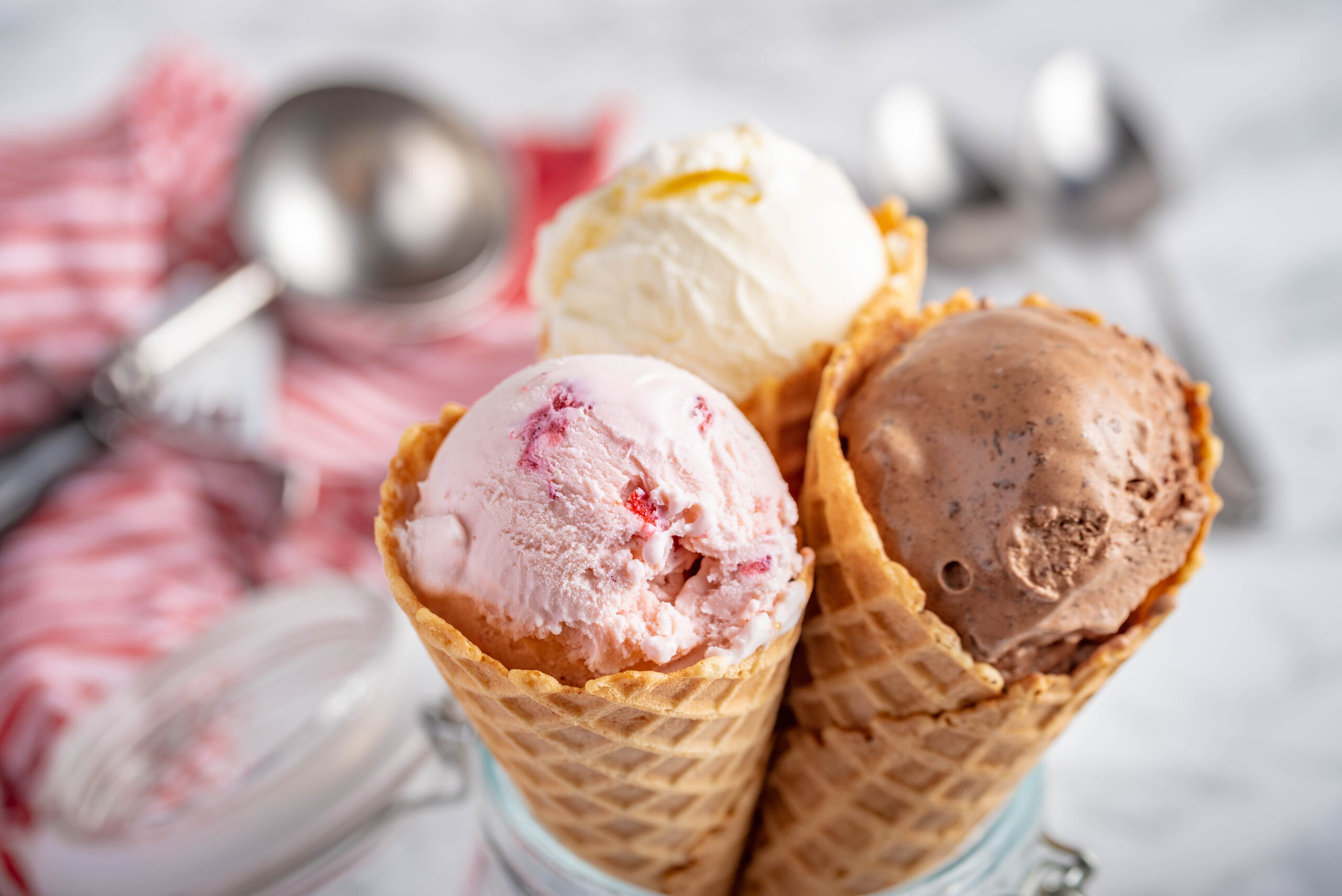
p.s. I’m not going to deny that the ice cream photo looks inviting. When I think of all the suffering in the dairy industry, however, my desire to eat dairy ice cream evaporates.